Silver ingots as money: sycee, weighed silver and trade bars
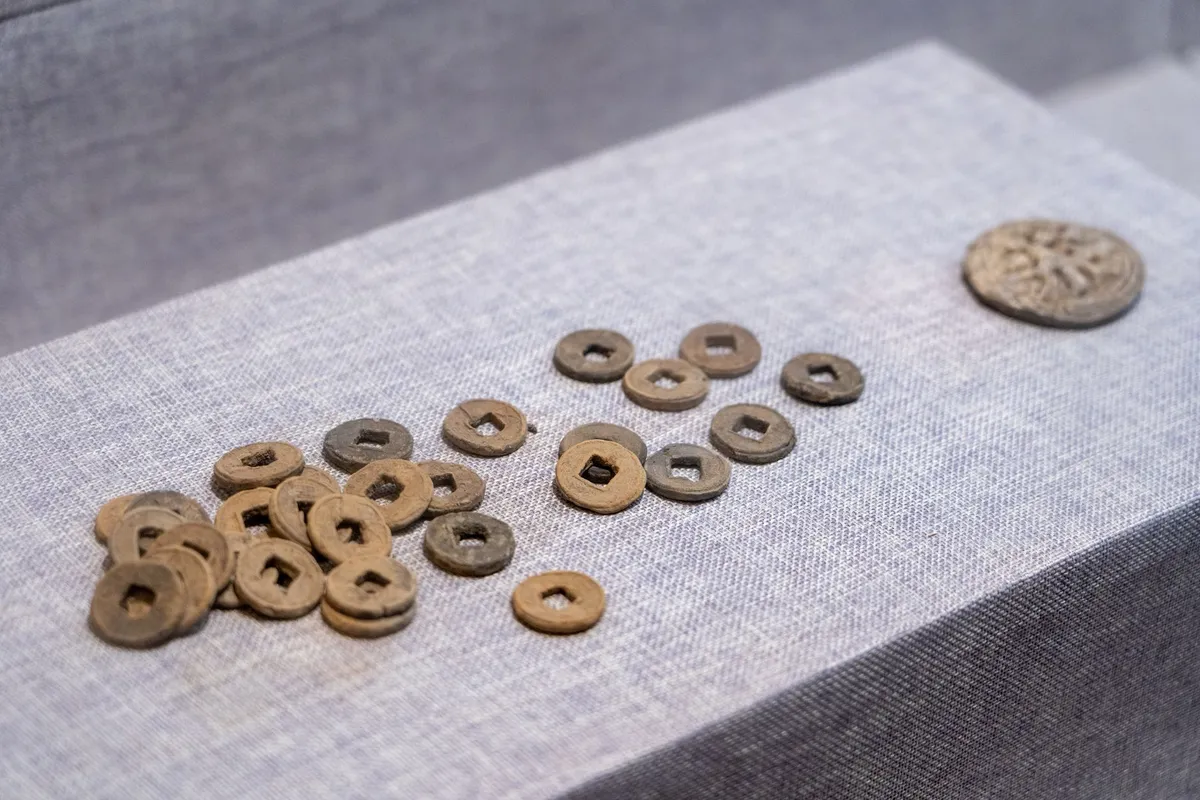
Long before silver was sold in neat rectangular bars with serial numbers, it circulated as money in the form of ingots: lumps of metal whose value came from their weight and purity rather than from any face value. In large parts of Asia this was not a curiosity but the normal way to settle big payments, and it lasted well into the twentieth century. This page traces that history and explains what it means for anyone who meets an “old silver ingot” for sale today.
Money by weight, not by count
A coin is money by count: you pay three coins, and the stamp guarantees their value. An ingot is money by weight: you put the silver on a scale, check its quality and calculate what it is worth. Weighed silver needs three things to work:
- a trusted unit of weight, so both sides agree on the quantity;
- a way to judge fineness, since ingots varied in purity;
- specialists (assayers, money changers, merchants) who could test and certify the metal.
Where those existed, ingots were practical for large sums, and coins were often reserved for smaller daily payments.
China: sycee and the tael
The best-known silver ingots are the Chinese sycee. The most famous shape is the boat- or shoe-shaped ingot, often called yuanbao, with raised ends and a hollowed center. Other forms were smaller and rounder, and shapes varied by region and period.
Sycee were measured in taels. The tael was a unit of weight, not a coin, and it was not uniform: different cities, trades and government offices used their own standards, which differed slightly from one another. Large yuanbao commonly weighed around fifty taels, while smaller pieces were made in many weights for everyday commerce.
Ingots were typically cast by local silversmiths or assay houses and stamped with marks giving information such as the place, the maker or the purity. Merchants and banks regularly re-tested and re-cast silver, and payments often involved weighing and checking rather than simply handing over pieces.
This system lasted remarkably long. Silver flowed into China for centuries, including vast quantities of Spanish American silver dollars that were also weighed, stamped and sometimes melted into local ingots. The end came with the currency reforms of the 1930s: in 1933 the government abolished the tael as a unit of account in favor of the silver dollar coin, and a further reform in 1935 took China off silver altogether in favor of paper currency.
Weighed silver elsewhere in Asia
China was not alone. Across Southeast Asia, silver passed by weight in various forms, from cast pieces to wire, bars and rings. In Burma (today Myanmar), silver was traditionally weighed in units of the kyat, and that weight unit later gave its name to the national currency. Similar habits of weighing and assaying silver existed in other trading societies around the Indian Ocean and Southeast Asia, each with its own shapes and units.
The details vary a great deal from place to place and are a specialist field in their own right. The common thread is that silver was valued as metal, and the people handling it needed scales and a trained eye.
European and trade ingots
In Europe, silver was mainly turned into coins, but ingots played a central role behind the scenes. Mines and mints handled silver as cast bars, and merchants moved large sums as bars before they were struck into coin. Silver from the mines of Spanish America was shipped across the Atlantic as cast bars as well as coins, and some of these bars have been recovered from shipwrecks.
Trading companies and banks also used ingots to settle accounts between regions, especially where local coins were unfamiliar or untrusted. A well-marked bar from a known source could travel where a coin could not.
From money ingots to modern bars
| Then | Now |
|---|---|
| Value set by weight and assay at each transaction | Weight and fineness stamped by an accredited refiner |
| Local units such as the tael or kyat | Troy ounces and grams, used worldwide |
| Purity variable and often re-tested | Standardized fineness of 999 or higher |
| Marks of local makers and assay houses | Refiner’s logo and serial number, linked to records |
Modern bars are, in effect, the same idea refined by standards. The London Bullion Market Association’s good-delivery rules play the role that local assayers once did: they tell the market which bars it can accept without testing each one. Our overview of silver bars and the page on gold bullion ingots describe today’s formats.
Collectible replicas and fakes
Genuine sycee and other historical ingots are collected, and authentic pieces can be valuable. That makes them a favorite target for forgers. Large numbers of replica “ancient” ingots are sold online, at markets and in tourist shops, and many contain little or no silver at all.
Before buying a historical ingot, keep these points in mind:
- assume a piece is a replica until proven otherwise, especially if it is cheap or offered in quantity;
- check weight and density: base-metal copies often weigh too little for their size;
- be wary of perfect patina or crisp marks on something presented as centuries old;
- buy from specialists who give a written description and accept returns;
- do not treat a historical ingot as bullion: its value depends on authenticity and collector demand, not just on its silver content.
If you simply want to own silver, current-production bars from a recognized refiner are far easier to value and resell. For the metal itself and its role as money, see our page on silver.
This article may contain partner links. They never influence what we write.