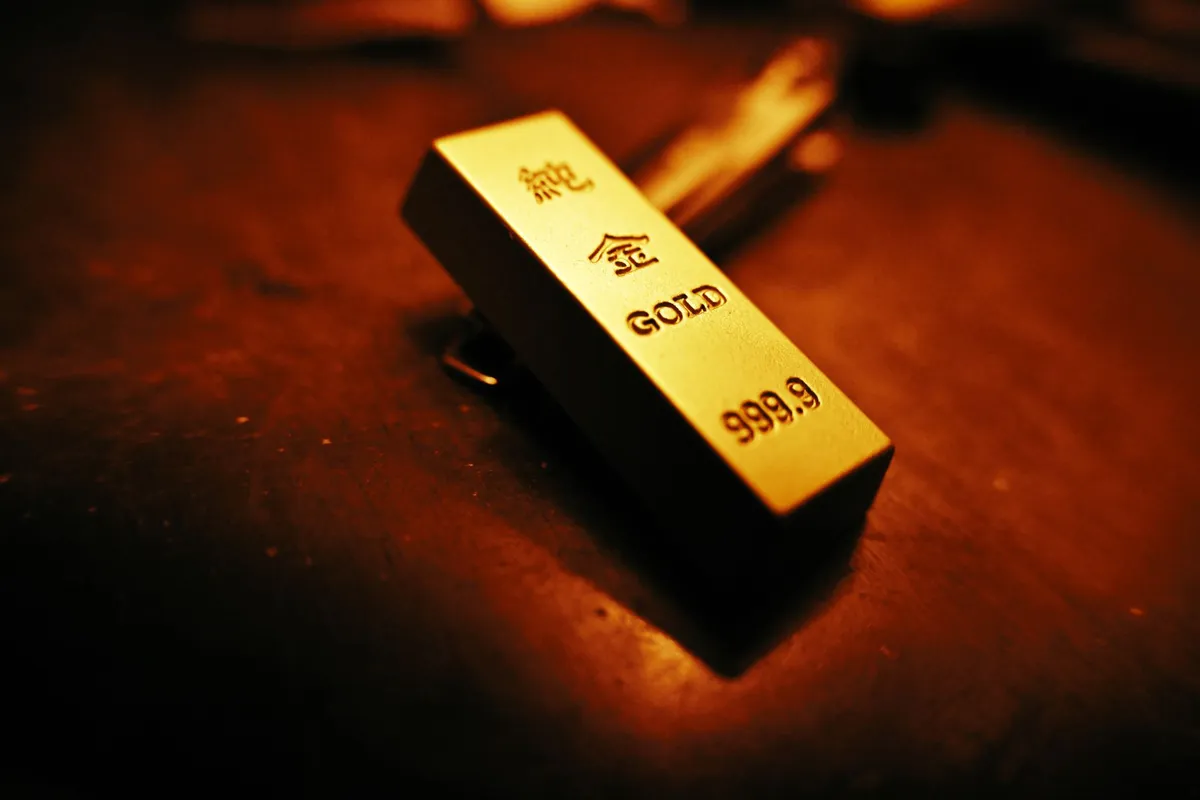
Gold bars
Gold bars: cast, minted and good-delivery bars explained
The three families of gold bars, the sizes that actually trade, what the stamp on a bar tells you and why a 1 oz bar costs more per gram than a kilo.
The three families of gold bars, the sizes that actually trade, what the stamp on a bar tells you and why a 1 oz bar costs more per gram than a kilo.

Why Credit Suisse gold bars still trade after the bank's takeover by UBS, who refined them, how to check one and where they turn up today.
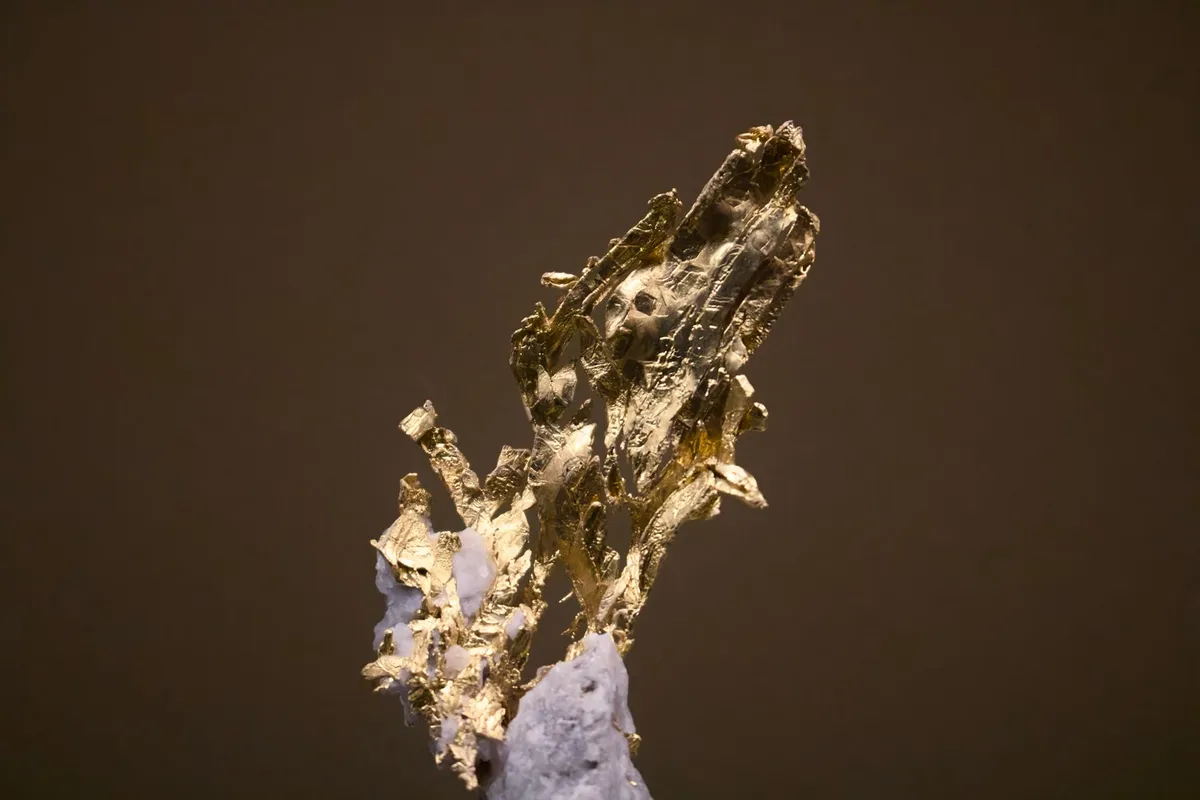
What makes gold physically unique, how it served as money from early coinage to 1971, and the main ways to hold gold bullion today.
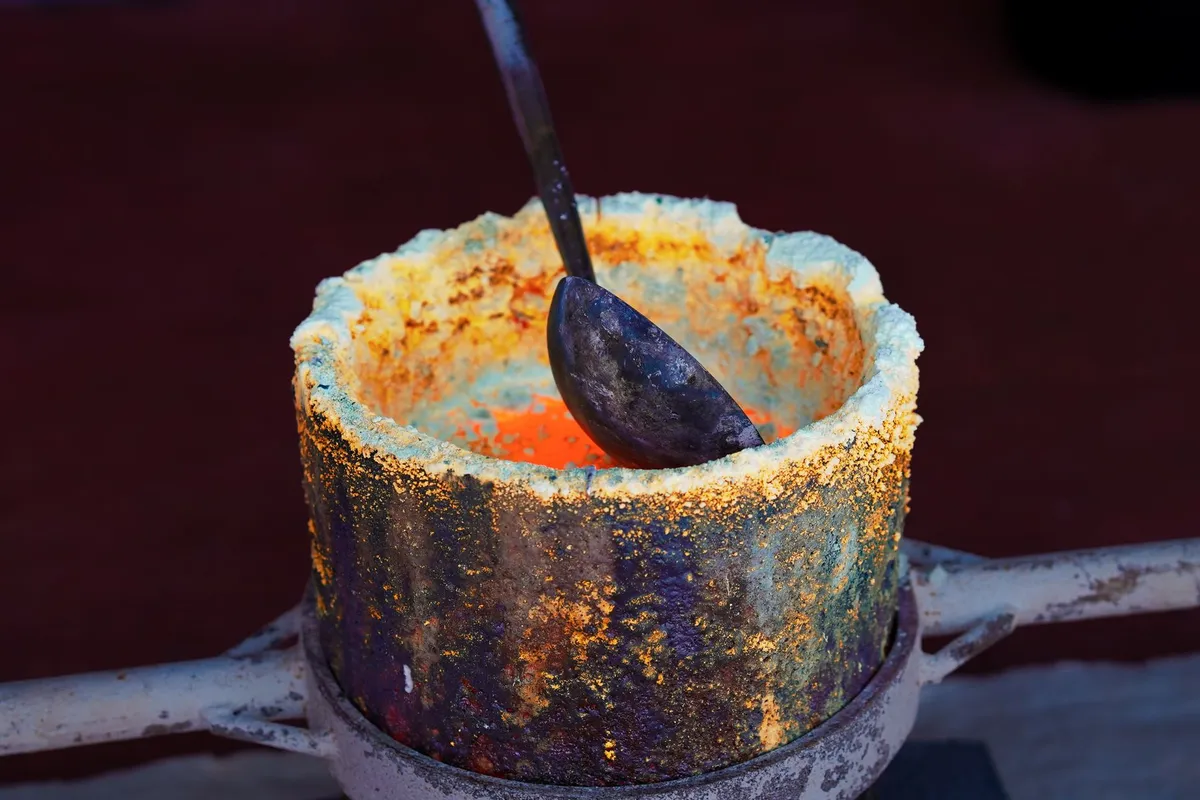
Ingot or bar? What 999.9, 999 and 995 mean, why people buy gold ingots, where to buy them and how to assess an ingot from an unfamiliar maker.

The Swiss refiner behind PAMP gold bars, its best-known minted designs, how its assay cards and Veriscan scanning work, and what to check when buying.
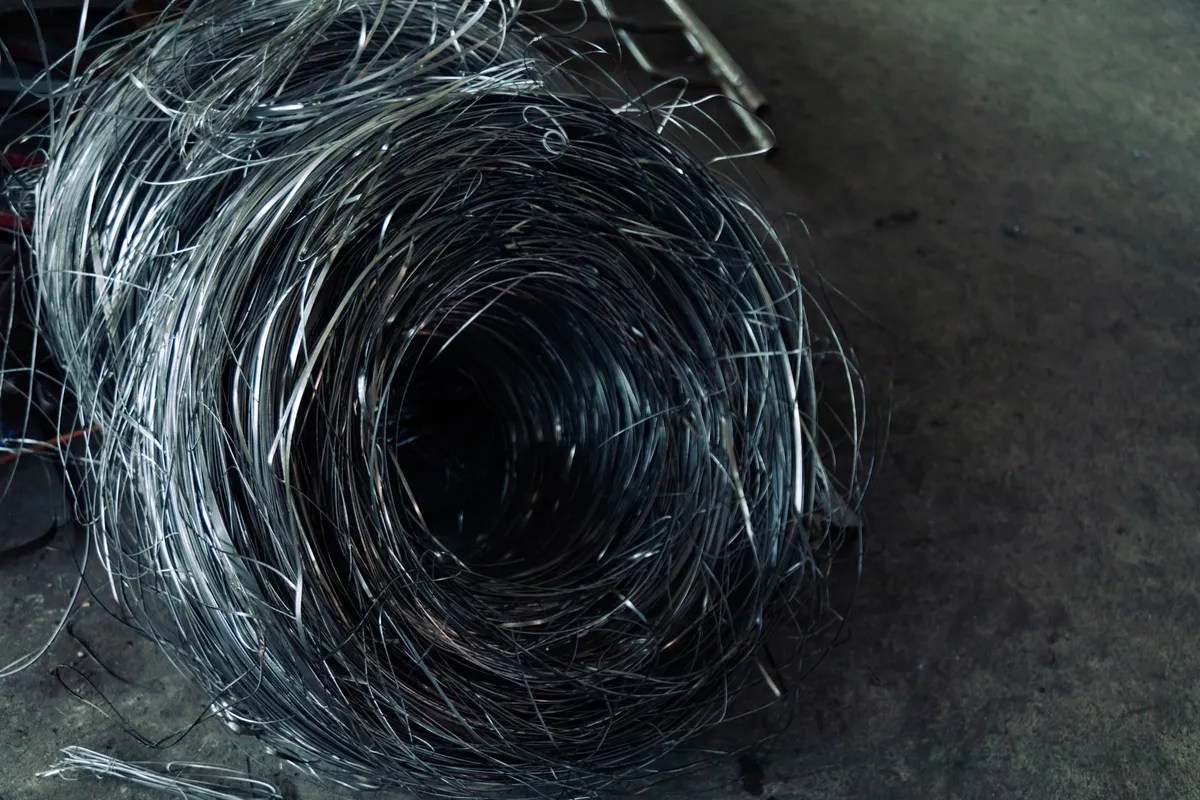
Why the 10 oz silver bar became a favorite with private buyers, who makes it, where to buy one and how it compares with 1 oz and 100 oz bars.
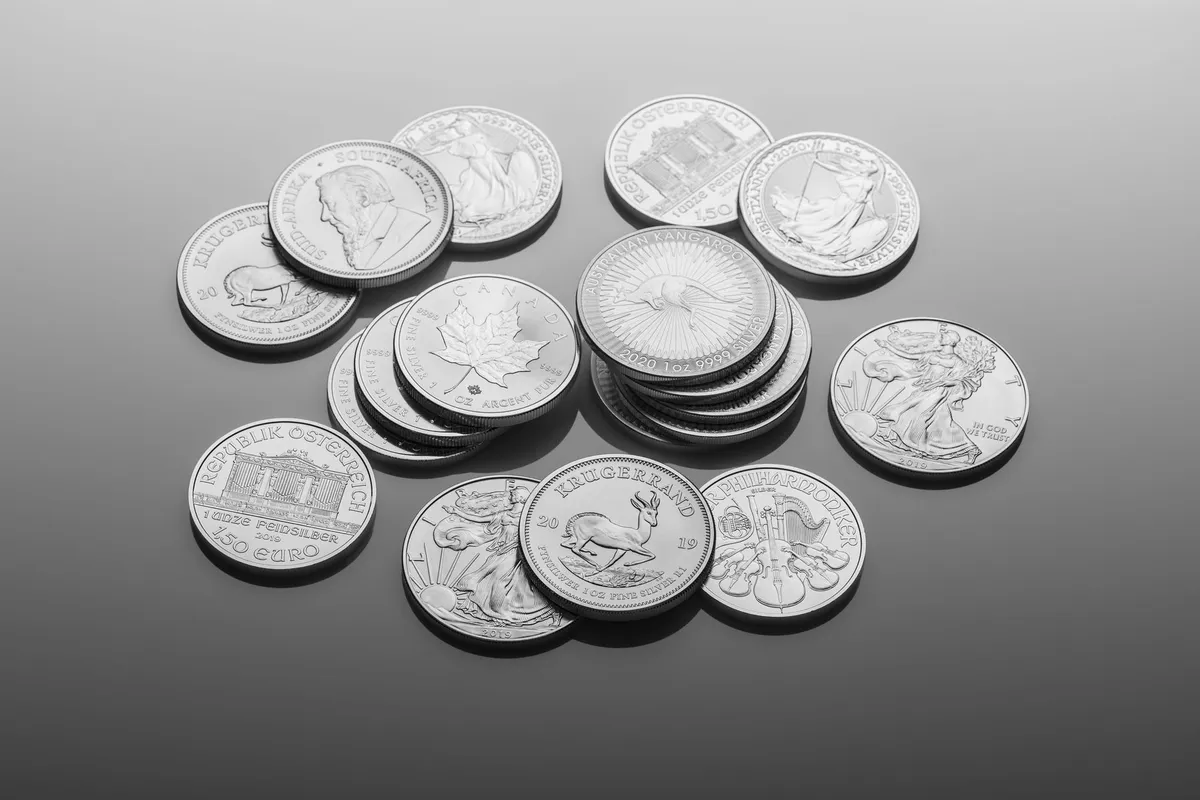
What a 1 oz silver bar contains, why it costs more per ounce than larger bars, and how it compares with 1 oz coins and rounds for buying, storing and selling.
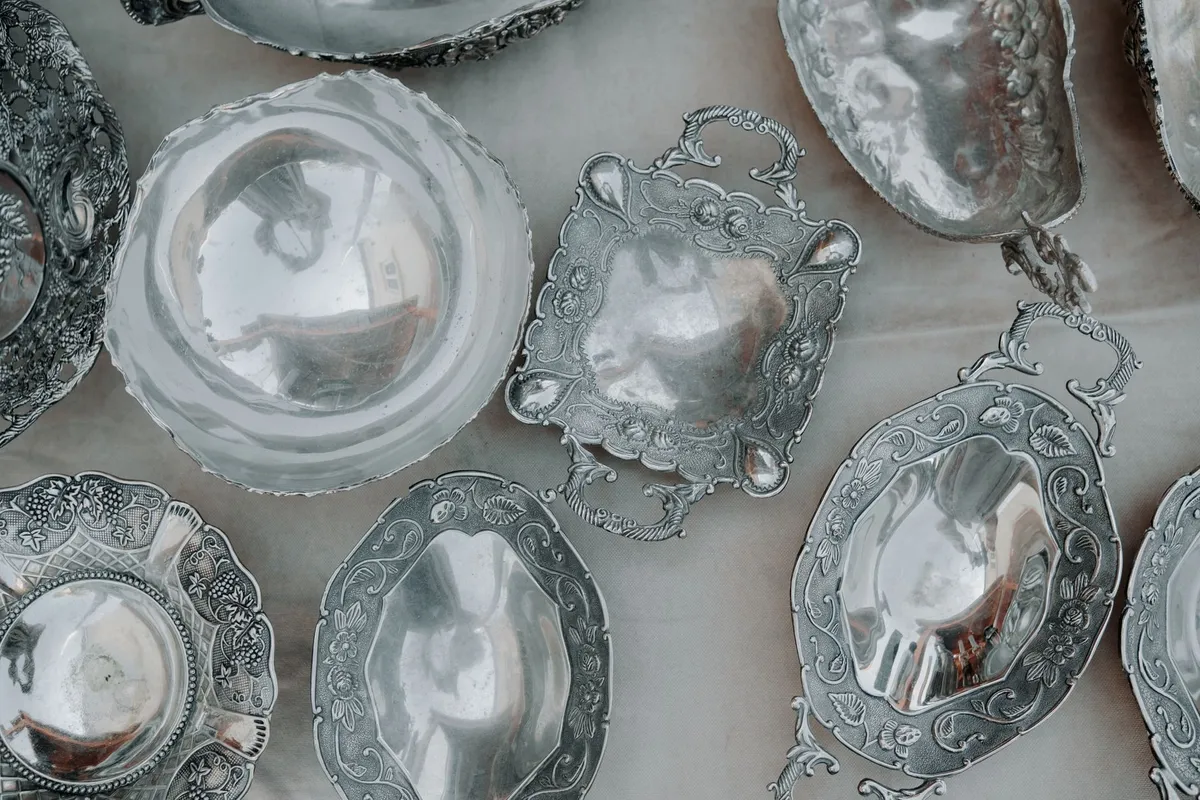
Who Engelhard was, why its silver bars stopped being made after BASF bought the company, and what to weigh before paying extra for one.

What makes silver unique as a metal, where it is used today, how it left everyday coinage and why investors still choose to hold it.
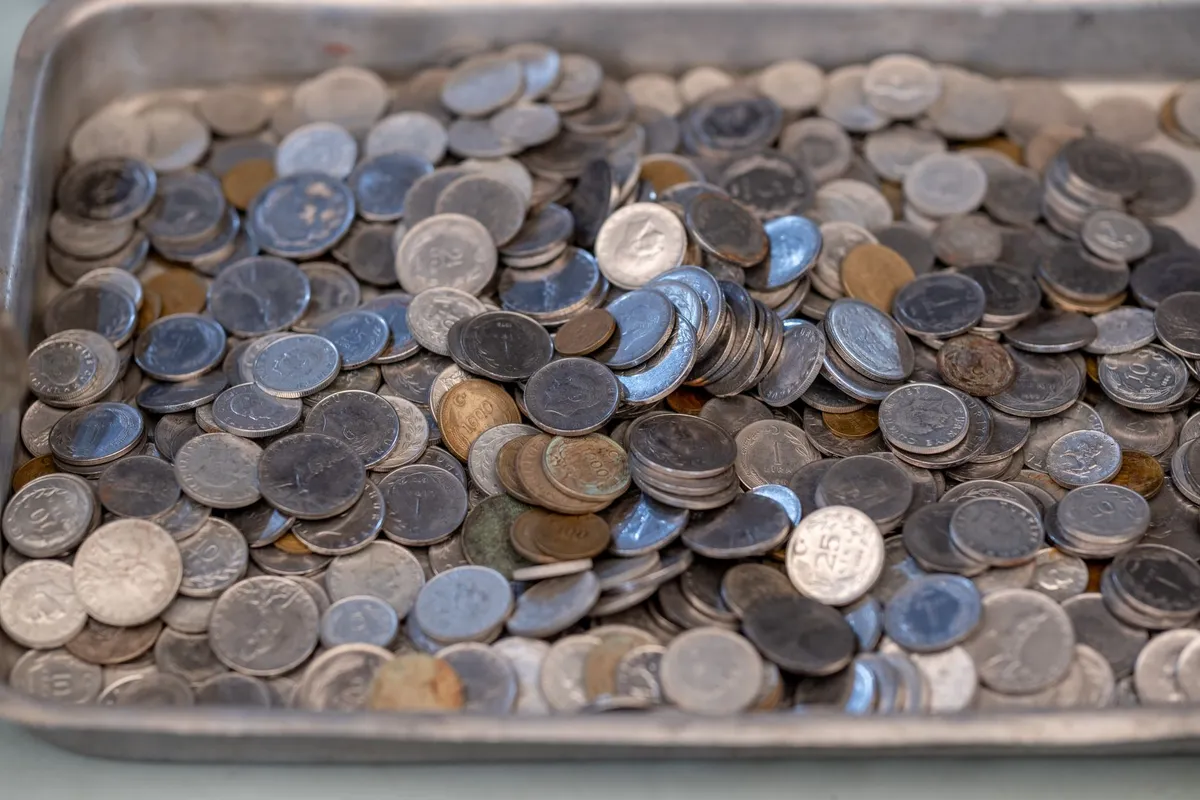
Silver bar characteristics, practical authenticity checks from weight to XRF, the VAT question in Europe, where to buy and how much room silver takes up.
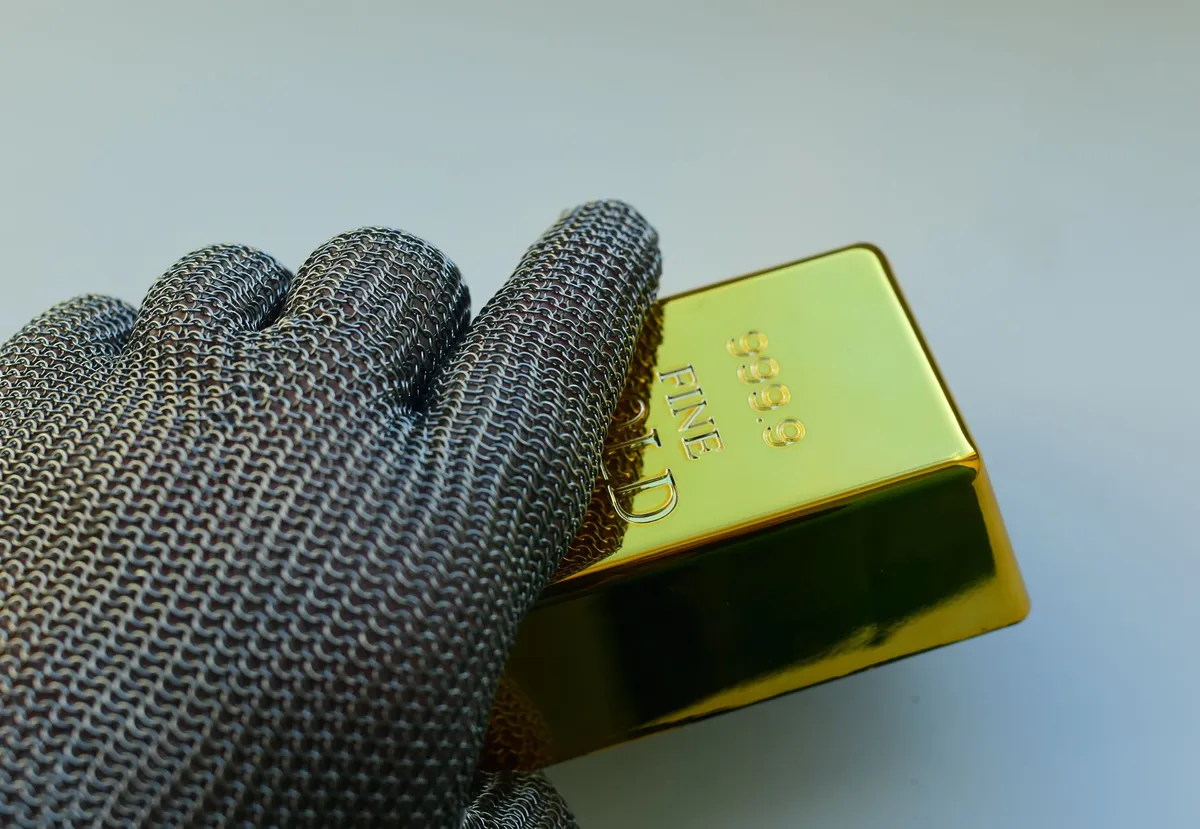
A step-by-step walk-through for buying gold bars: who makes them, how to vet a dealer, which brand and size to pick, and how the price of a bar is built.
Which bullion formats tend to suit a starter amount, a mid-size holding and a large holding, plus general tips that apply whatever the size.
What a genuine gold bar listing must state, the warning signs of a bad offer, marketplaces versus dealers, and how delivery and insurance should work.
A bullion bar is about the plainest object in finance: a piece of metal with a weight, a purity and a maker’s name stamped on it. Yet buying one, keeping it and selling it again raises a surprising number of questions. Which refiner? Which size? Why does the same ounce of gold cost noticeably more as a small bar than as part of a kilo? How do you know the price you are quoted is fair, and what will a dealer actually pay when you want out? Bullion Bars answers those questions in plain language, with no metal to sell and no commission to earn.
Most of what a private buyer meets falls into two families. Minted bars are cut from rolled strip and struck like coins, usually sealed in an assay card; they dominate the small sizes. Cast bars are poured into moulds, look rougher and cost less to make, which is why they take over from 100 g upwards. Our guide to gold bars sets out the formats and the sizes that really trade, and the page on gold ingots explains the fineness marks (999.9, 999, 995) you will see on them.
The name on the bar matters as much as its weight. A bar from a refiner on the London Bullion Market Association’s good-delivery list is accepted almost everywhere; a bar from an unknown maker will be tested and discounted. We profile the names you are most likely to come across: PAMP Suisse and its Lady Fortuna design, the Perth Mint, the bank-branded Credit Suisse bars, and the historic Johnson Matthey bars that are no longer made but still change hands every day.
Silver is the same idea at a very different price per gram. That changes everything: a holding of any size is heavy and bulky, premiums weigh more in proportion, and in the European Union and the United Kingdom silver bars are generally subject to VAT while investment gold is not. Start with our overview of silver bars, then the size guides for 1 oz and 10 oz bars. Collectors will find the story of the Engelhard bars, long out of production, and a look back at silver ingots used as money, from Chinese sycee to modern bullion. For the metal itself, its uses and its history as money, see Silver; its counterpart is our page on gold.
The price of a bar is always built the same way: the spot price of the metal, plus a premium that covers manufacturing, distribution and the dealer’s margin. The premium is what you can compare between sellers, and the buy-back price is what tells you the real cost of a round trip. Our step-by-step guide to buying gold bars walks through refiner, size and dealer in that order. If you are looking at listings, read what a “gold bars for sale” ad must tell you and which warning signs should end the conversation. The guide to where to buy bullion compares mints, online dealers, coin shops, banks and private sellers, and buying silver bars covers the authenticity checks that matter for the white metal.
Every bar is eventually sold, inherited or melted. The bid side of the market works differently from the ask side, and a few minutes of preparation can make a real difference. Our guide to selling to bullion buyers explains who buys metal back and how their prices are set. For old jewellery, chains and odd earrings, selling scrap gold shows how to read hallmarks, how a buyer calculates an offer, and how to compare quotes.
Gold and silver trade around the clock, but the figure on a dealer’s website is not the same as the benchmark prices published in London or the futures quoted in New York. Our pages on gold bullion prices and silver bullion prices explain where each number comes from, how to read a chart over a day, a year or a decade, and how to convert ounces into grams and kilos. The question everyone eventually asks, gold or silver, has its own page: gold vs silver, including the gold/silver ratio and what it does and does not tell you.
Physical bars are only one way to hold precious metals. Allocated vault accounts, exchange-traded products backed by metal, mining shares and futures each move the risks around differently; our comparison of the ways of investing in gold and silver sets them side by side. For the bigger picture, read our introduction to precious metals investing, including platinum and palladium, the honest case for and against holding gold and silver bullion, and our practical tips organised by size of holding.
Bullion Bars is an independent editorial site. We do not sell metal, take no commission and accept no payment for mentioning a refiner, a mint or a dealer. Weights, purities and market rules come from refiners’ specifications and from the published rules of the bullion market. We do not publish live prices and we do not give personal investment advice: our articles explain how the market works so that you can ask the right questions of the people you deal with. More about us on the about page.
Refiners, sizes, premiums and how to buy or sell a bar without overpaying
Gold bars