Buying gold bars: refiners, dealers, sizes and price
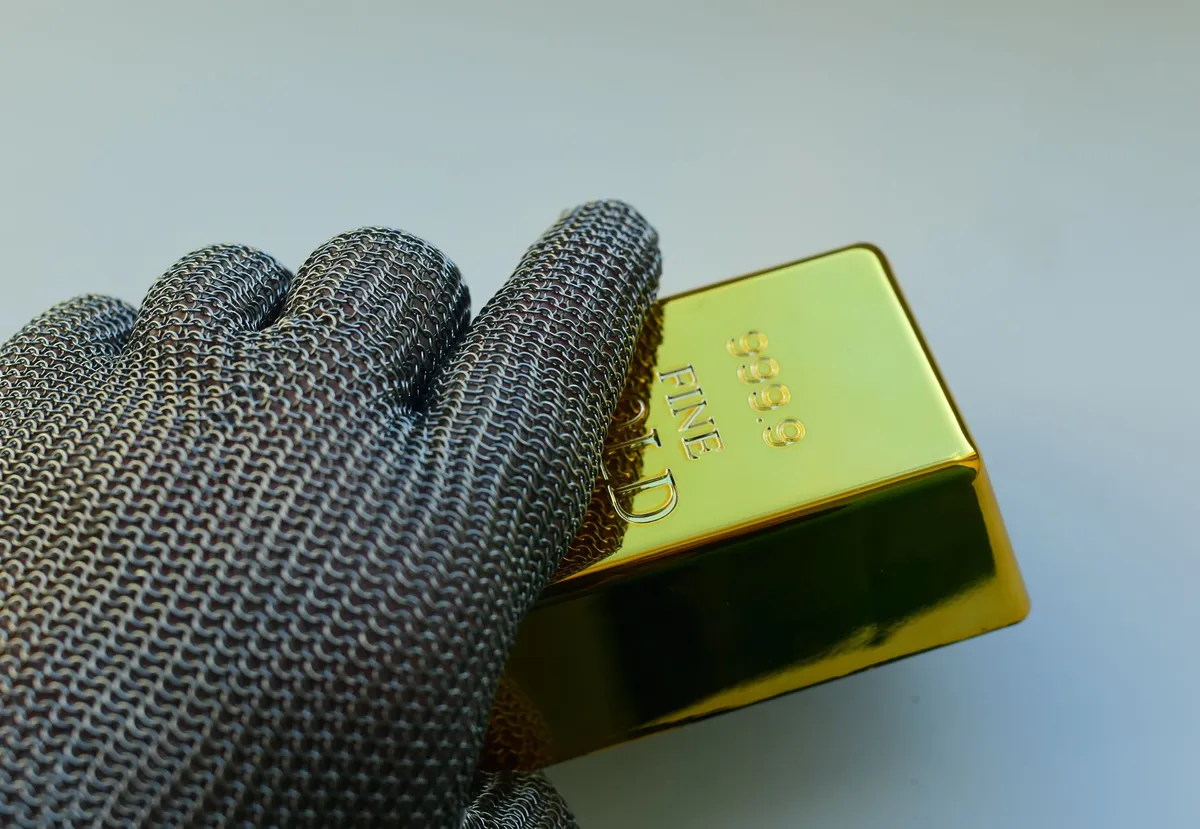
Buying a gold bar is not complicated, but it rewards doing things in the right order. First know who makes the bars worth owning, then find someone reliable to buy them from, then choose a brand and a size, and only at the end compare prices. This walk-through follows that order. It is general information, not advice: what suits one buyer depends on budget, country and plans that only the buyer knows.
If you are new to the formats themselves (cast, minted, good-delivery), start with our overview of gold bars.
Step 1: know the refiners
Every investment bar carries the mark of the refinery that produced it and stands behind its weight and fineness. The refiners that matter most are those accredited by the London Bullion Market Association (LBMA), whose good-delivery list is the reference used by dealers around the world. Well-known examples include:
- PAMP (Switzerland), known for its minted bars, many of them decorated with the Lady Fortuna design. See our page on PAMP Suisse gold bars.
- Valcambi (Switzerland), a large refiner producing both cast and minted bars, including divisible formats.
- The Perth Mint (Australia), owned by the Government of Western Australia, which produces both coins and bars.
- The Royal Mint (United Kingdom), better known for coins but also a maker of bars.
- Argor-Heraeus (Switzerland), another long-established refiner of small and large bars.
These are examples, not a complete list and not a ranking. The practical point is simple: a bar from an accredited refiner is recognized almost everywhere, which makes it easier and cheaper to sell later.
Step 2: buy from a dealer
Most private buyers buy through bullion dealers rather than from refiners directly. Refiners mainly supply wholesale customers, and dealers act as the link: they hold stock, handle shipping or collection, and usually offer to buy bars back.
Dealers come in several shapes: large online sellers, local coin shops, some banks, and in a few cases the shops of national mints. Our guide to where to buy gold bullion coins and bars compares these channels in detail.
Step 3: select a dealer
Before handing over money, run through a short checklist:
- Verifiable identity. A registered company name, a physical address and a working phone number.
- Published prices. Both selling and buy-back prices, updated through the trading day.
- Clear terms. Delivery times, insurance in transit, cancellation rules and what happens if the price moves before payment.
- Stock from known refiners. Product pages that name the refiner, weight and fineness.
- A buy-back policy. A dealer that buys back what it sells, at a price you can see in advance.
- Track record. A business that has traded for years and is known in the trade, rather than a site that appeared recently.
- No pressure. Reputable dealers do not push “last chance” offers or insist on immediate payment.
A dealer that fails several of these points is worth skipping, however attractive the price. For how to read individual offers and spot warning signs, see gold bars for sale.
Step 4: choose a brand
Among accredited refiners, the brand matters less than people expect. Gold is gold, and a 1 oz bar from one major refiner contains the same metal as a 1 oz bar from another. What does vary:
- Recognition in your market. Some brands are more familiar in certain countries, which can make local resale smoother.
- Packaging. Minted bars sealed in an assay card are easy to check and store; keep the card intact.
- Premium. Decorated or branded designs sometimes cost more without adding resale value.
A reasonable rule of thumb is to favor well-known accredited refiners and, among them, the bar with the lower premium.
Step 5: choose a size
Size is the biggest lever on what you pay per gram. Small bars cost more per gram; large bars cost less but are harder to sell in part.
| Size | Strength | Weakness |
|---|---|---|
| 1 g to 20 g | affordable unit, good as a gift | high premium per gram |
| 1 oz | widely traded, easy to resell | moderate premium |
| 50 g to 100 g | lower premium, still manageable | bigger single ticket |
| 10 oz to 1 kg | lowest premium for private buyers | must be sold in one piece |
Many buyers mix sizes: a few smaller pieces for flexibility and larger bars for cost efficiency. How that balance shifts with the size of a holding is a separate question from which bar to buy first.
Step 6: understand how the price is built
The price of a bar has two parts.
Spot price. This is the wholesale market price of gold, quoted per troy ounce and moving continuously while markets are open. It is the same for every dealer at a given moment. Our page on gold bullion prices explains how it is set.
Premium. This is everything added on top: the refiner’s fabrication cost, the dealer’s margin, packaging, and sometimes shipping and insurance. The premium varies by size, brand, dealer and market conditions; it tends to widen when demand for physical metal surges.
To compare offers, divide the price of the bar by its fine gold weight in ounces, then compare that figure with spot. The gap is the premium you are paying. Do the same with the dealer’s buy-back price: the difference between buying and selling prices on the same day (the spread) is the real cost of owning and later selling the bar.
Taxes can also apply. Investment gold is VAT-exempt in the EU and the UK, while in the United States sales-tax treatment varies by state. Check the rules where you live before buying.
Summary
Know the accredited refiners, pick a dealer that passes the checklist, favor a recognized brand with a modest premium, choose sizes that balance cost and flexibility, and compare offers by premium and spread rather than by headline price.
This article may contain partner links. They never influence what we write.