Buying gold bars in France: a guide for expats and international buyers
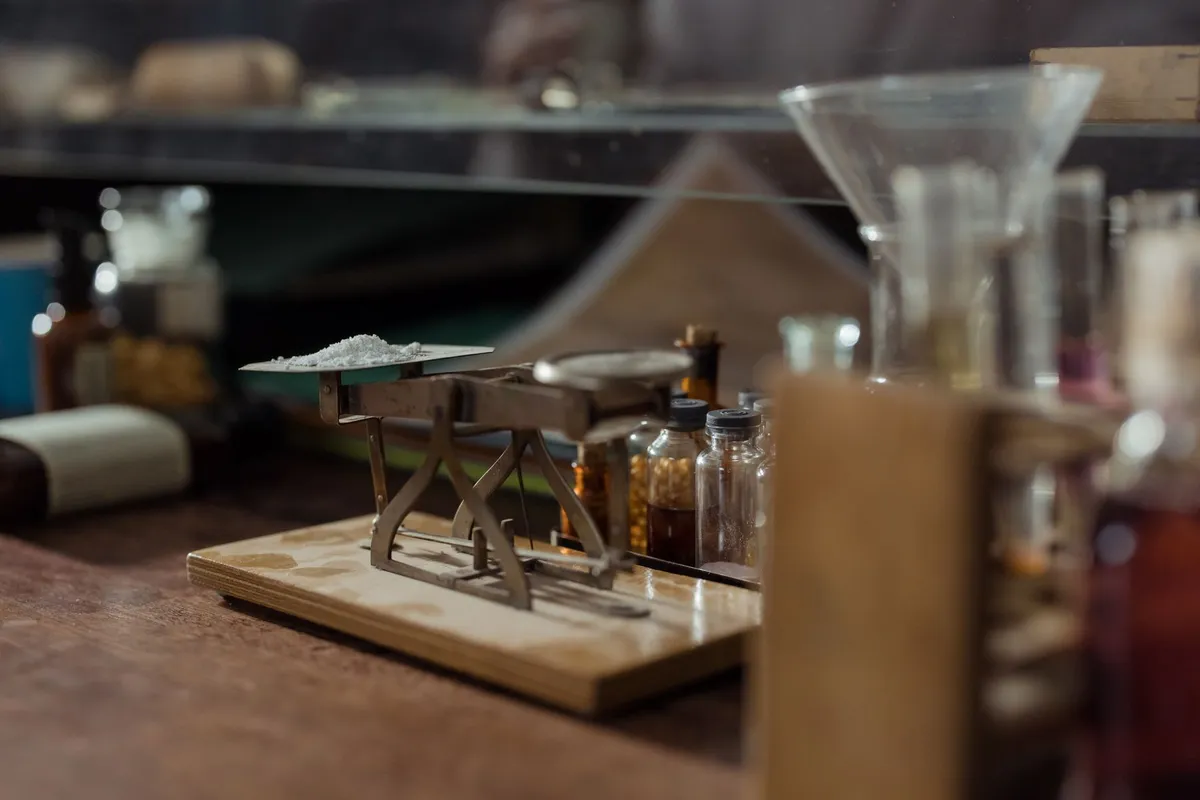
France has one of the oldest gold-buying cultures in Europe. Generations of French savers kept Napoleons and small bars at home, and the country still has a dense network of gold dealers, from Paris to the Côte d’Azur. For an English-speaking expat, a second-home owner or a buyer comparing European markets, the French system is straightforward once a few local rules and habits are clear. This page sets them out. It is general information, not tax or investment advice.
Investment gold and VAT
Across the European Union, investment gold is exempt from VAT. That covers bars and wafers of high purity and a defined list of gold coins. In practice, the price of a gold bar bought from a French dealer is the gold content plus the dealer’s premium, with no VAT on top.
Silver is treated differently: silver bars and coins bought in France carry VAT. That single difference explains why silver bars often look expensive compared with the spot price of silver, while gold bars track the market much more closely.
Bar sizes you will find
French dealers sell the same range of sizes as most European markets, from tiny gram bars to the kilo bar.
| Size | Typical use | Premium per gram |
|---|---|---|
| 1 g to 10 g | Gifts, regular small purchases | Highest |
| 20 g to 50 g | Building a position in steps | Moderate |
| 1 oz (31.1 g) | International reference size | Moderate to low |
| 100 g to 250 g | Larger holdings | Low |
| 1 kg | Large holdings, vault storage | Lowest |
The French market also has a tradition of the lingotin, a small bar of a few hundred grams or less, and of the kilo bar, historically the reference unit for gold dealing in Paris. Today the one-ounce bar is just as common, because its value moves directly with the price quoted on world markets. A typical example is the one-ounce gold bar in 999.9 fine gold, which sits in the middle of the range: small enough to sell in one piece, large enough to keep the premium reasonable.
Splitting a holding into several medium bars rather than one large one costs a little more at purchase but gives flexibility later: you can sell part of it without selling everything.
Premiums, spreads and written prices
The premium is the difference between the price of the bar and the value of the gold it contains. It covers refining, packaging, distribution and the dealer’s margin. Our page on bullion premiums and spreads explains how they work and why they shrink as bar size grows.
What matters most is the round trip: what you pay today and what a dealer would pay you back. Some French dealers make this explicit. Maison Or & Bijoux, a gold and coin dealer with shops in Cannes, Mougins, Cagnes-sur-Mer, Strasbourg and Le Havre, states on its site that it shows the premium on a bar in euros and as a percentage before purchase, and gives the buy-back price on the day of the sale. It sells sealed gold and silver bars from 1 g to 1 kg, with insured delivery or free collection in store.
Whichever dealer you use, a written premium and a written buy-back price are worth asking for. They make it possible to compare offers on the same basis, rather than comparing headline prices that hide the spread.
Identification and payment
Expect to show identification when buying or selling gold in France. Dealers are subject to anti-money-laundering rules, and the checks become more detailed as amounts increase. A passport or residence permit and proof of address are the usual documents; for larger purchases, the dealer may also ask where the funds come from.
Payment is normally made by bank transfer. When a dealer buys gold from a private individual, payment is likewise made by transfer or cheque rather than in cash. For expats, this means having a bank account in your own name, in France or elsewhere in Europe, makes both buying and selling simpler.
Keep every invoice. It proves ownership, it shows the price paid, and it may be needed to calculate tax when you sell.
Selling gold in France: the tax question
France has specific rules for the sale of precious metals by private individuals, with more than one possible regime depending on whether you can document the purchase price and how long you have held the metal. The rules also interact with your tax residence and, for expats, with any tax treaty between France and your home country. They change from time to time.
Because the right answer depends so much on personal circumstances, the practical advice is simple: keep your invoices, and check the current rules with the dealer, a tax adviser or the French tax administration before a significant sale. Do not rely on figures quoted from memory or from old forum posts.
Storing bars in France
Storage options are the same as elsewhere: a home safe, a bank safe deposit box, or a professional vault. A few points are specific to expats:
- Home insurance. French home policies often cap cover for valuables and may require a certified safe. Read the conditions before bringing bars home.
- Bank boxes. Not every bank branch offers safe deposit boxes, and availability can be limited in smaller towns.
- Moving countries. If you may leave France later, think about how you would move the metal. Carrying bullion across borders can trigger declaration requirements, and selling and rebuying elsewhere has a cost.
Our guide to storing bullion bars compares these options in more detail.
A short checklist
Before buying a gold bar in France:
- Check the spot price and calculate the value of the gold in the bar.
- Ask for the premium in euros and as a percentage.
- Ask what the dealer would pay to buy the same bar back today.
- Prefer sealed bars from recognised refiners, with a serial number and certificate.
- Prepare identification and pay by transfer from your own account.
- Keep the invoice with your other financial records.
- Decide where the bar will be stored before it arrives.
With these habits, buying gold in France is no more complicated than buying it at home, and the country’s dense network of dealers makes it easy to compare offers and, one day, to sell.
This article may contain partner links. They never influence what we write.