Precious metals investing: gold, silver, platinum and palladium
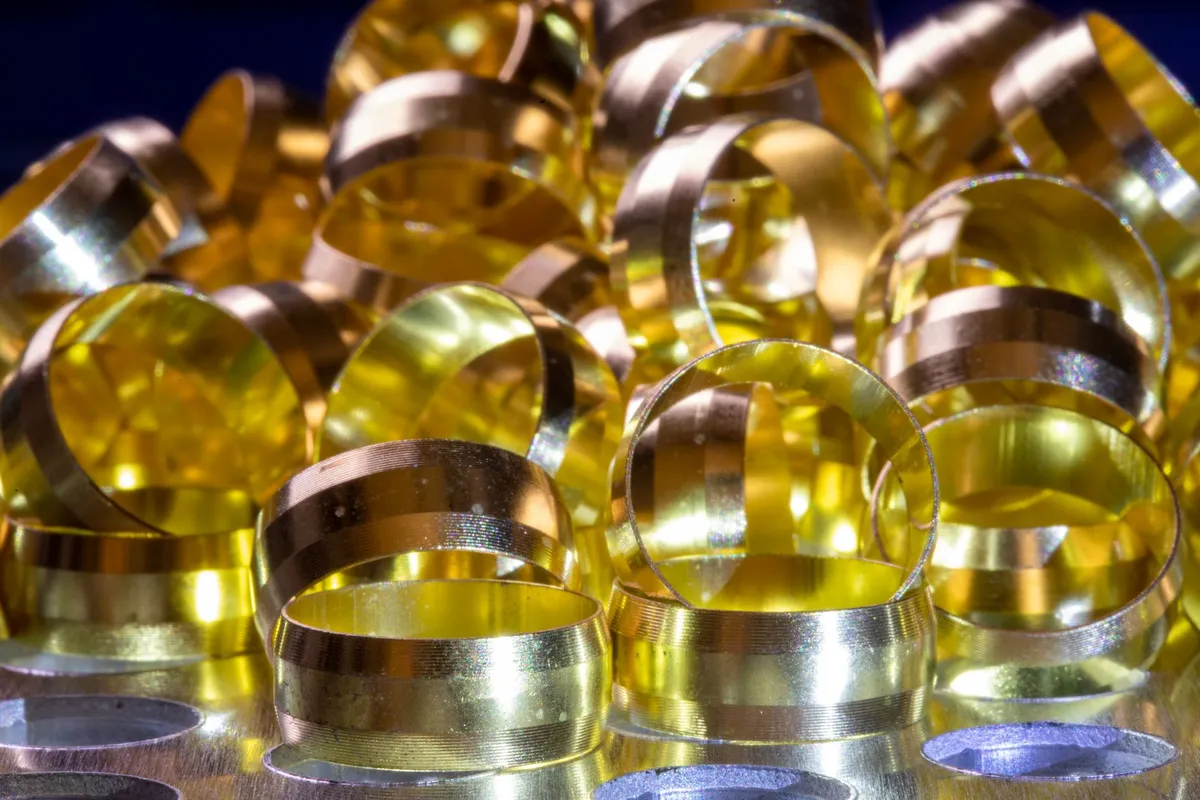
Four metals are commonly bought as investments: gold, silver, platinum and palladium. They share a label but not a personality. Gold is held mainly as a store of value; the other three are pulled in different directions by industry. Understanding what drives each one is the first step before deciding whether any of them has a place in a portfolio. This page is general information, not advice.
The four metals at a glance
| Metal | Main sources of demand | Character |
|---|---|---|
| Gold | Jewelry, investment (bars, coins, funds), central bank reserves, a small share in electronics | Mostly a monetary and store-of-value metal |
| Silver | Industrial uses (electronics, solar panels, brazing, many others), jewelry and silverware, investment | Part monetary, part industrial |
| Platinum | Autocatalysts, jewelry, other industrial uses (chemicals, glass, petroleum refining), investment | Mainly industrial, with a jewelry and investment component |
| Palladium | Autocatalysts, especially for gasoline vehicles, plus electronics and dentistry | Overwhelmingly industrial |
Gold
Gold’s demand comes mostly from people and institutions that want to hold it: jewelry buyers (especially in Asia and the Middle East), private investors, and central banks that keep it as part of their reserves. Industrial use exists but is small. Because so little gold is consumed, nearly all the gold ever mined still exists in some form, and the annual mine supply is small compared with that stock.
This makes gold’s price less tied to the economic cycle than the other metals, and more tied to interest rates, currency movements, inflation expectations and periods of financial stress. See our gold section for more.
Silver
Silver sits between two worlds. It has a long monetary history and is bought as bullion, but a large part of annual demand is industrial: it is the best electrical conductor among metals and is used in electronics, solar panels and many other applications. Much silver is also produced as a by-product of mining other metals such as lead, zinc and copper, so supply does not always respond quickly to price.
The result is a metal that often follows gold but with larger swings in both directions. Our silver section looks at it in depth.
Platinum and palladium
Platinum and palladium belong to the platinum group metals. Their single largest use is in autocatalysts, the catalytic converters that reduce harmful emissions from vehicle exhausts. Palladium has been used mainly in gasoline engines, platinum more in diesel engines, and manufacturers have shifted between the two when prices diverged.
Two features follow from this:
- Demand depends heavily on the auto industry, on emissions rules and on the pace of the shift toward electric vehicles, which do not need conventional catalytic converters.
- Supply is concentrated in a small number of countries, mainly South Africa and Russia, so mining disruptions or political events can move prices sharply.
Both markets are much smaller than gold’s, which makes them less liquid and generally more volatile.
Product forms
All four metals are available in the same three physical forms, though the range for platinum and palladium is narrower.
- Coins. Legal-tender bullion coins issued by national mints, valued for their metal content. Widely recognized and easy to sell one at a time.
- Bars. Minted or cast bars from refiners, from a gram to a kilo or more for private buyers. Larger bars carry lower premiums. See our guides to gold bars and silver bars.
- Rounds. Coin-shaped pieces made by private mints, with no legal-tender status. Common in silver in the United States; usually cheaper than coins, sometimes less readily accepted abroad.
Beyond physical metal, exposure is also available through funds, accounts and derivatives. These are compared in our guide to ways of investing in gold and silver.
Advantages of holding metal
- No counterparty risk for metal held directly: its value does not depend on a company or issuer keeping a promise.
- Long history as a store of value, especially for gold.
- Diversification: precious metals have often behaved differently from shares and bonds, though not consistently.
- Tangibility and privacy of ownership, within the reporting rules of each country.
- Global recognition of standard products from major mints and refiners.
Drawbacks of holding metal
- No income. Metal pays no interest or dividends; any return comes only from a change in price.
- Costs of ownership. Premiums on purchase, spreads on resale, storage and insurance all eat into results.
- Volatility. Prices can fall sharply and stay low for years. Silver, platinum and palladium usually move more than gold.
- Taxes. Investment gold is VAT-exempt in the EU and UK, but silver bars are generally subject to VAT there; US sales-tax treatment varies by state.
- Security and logistics. Physical metal has to be stored, protected and eventually moved.
What to consider
The metals are not interchangeable. Gold is the usual starting point for those seeking a store of value; silver adds industrial sensitivity and more volatility; platinum and palladium are closer to industrial commodities, best understood before being bought. Weighing purpose, time horizon, costs and storage before choosing a metal, and a form, is more important than choosing a moment to buy.
This article may contain partner links. They never influence what we write.